



Is Cannabis Legal in India
Cannabis laws in India often feel confusing. You may hear that cannabis is illegal, but at the same time see products like bhang, seeds, or cannabis-based wellness items being sold.
The reality is more detailed. In India, different parts of the cannabis plant are treated differently under the law, and understanding this makes everything much clearer.
Understanding the Law
Cannabis is regulated under the NDPS Act. This law controls narcotic substances but does not treat the entire plant the same way.
This is why some parts are strictly banned while others are legally used in food, wellness, and industrial applications.
How Different Parts of the Plant Are Treated
To simplify things, here is how the plant is divided legally:
Buds (Ganja)
The flowering tops of the cannabis plant, commonly called ganja, are illegal in India. These are the parts associated with psychoactive effects and are restricted under the law.
Leaves
Leaves are treated differently. They are used to make bhang, which has been traditionally consumed in India for centuries.
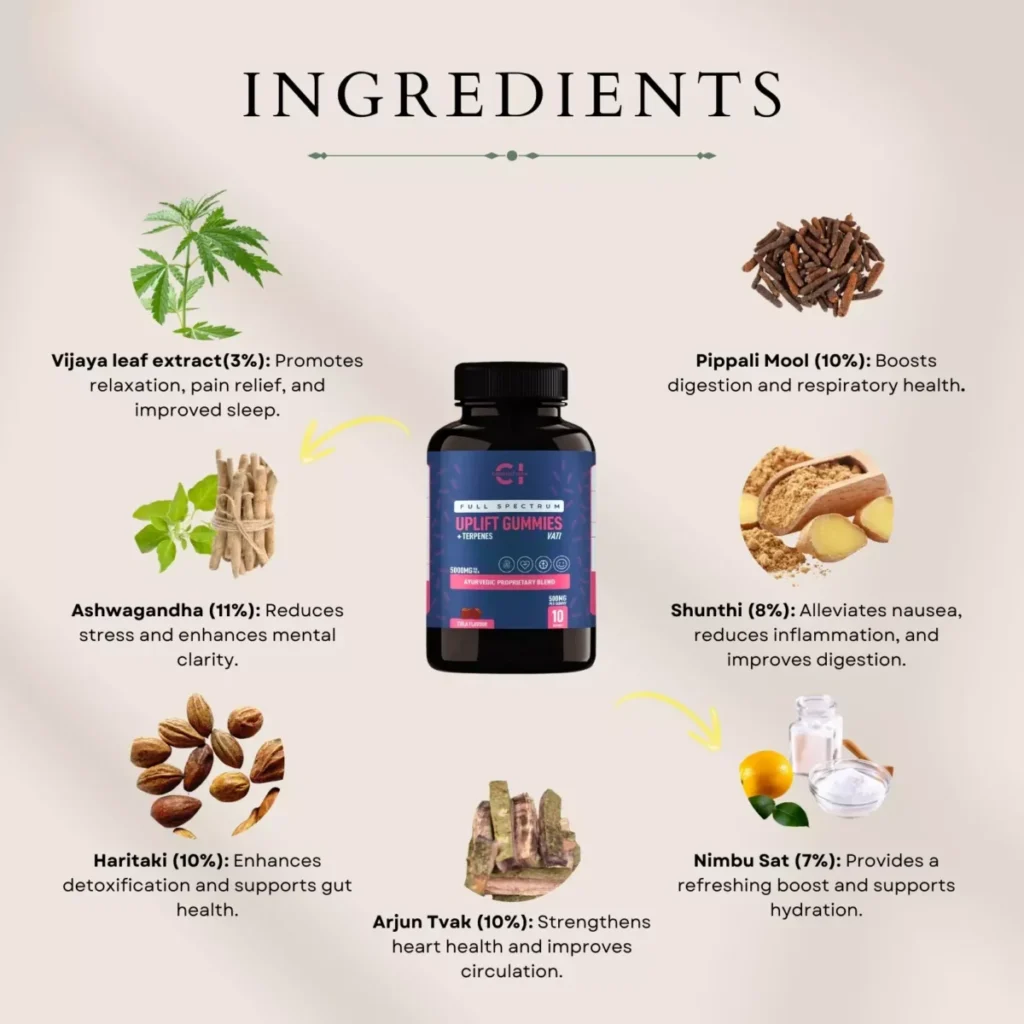
Today, leaves are also used to create extracts that can be added to edibles or oils under proper regulation.
Seeds
Cannabis seeds are non-psychoactive and have practical uses. They are commonly used for:
- Digestion support
- Nutritional benefits
- Oil extraction
Stems
The stem of the plant is used for industrial purposes. It is processed into fiber, which is then used to make fabric and other materials. This is often referred to as hemp.
Cannabis Extracts and Legal Products
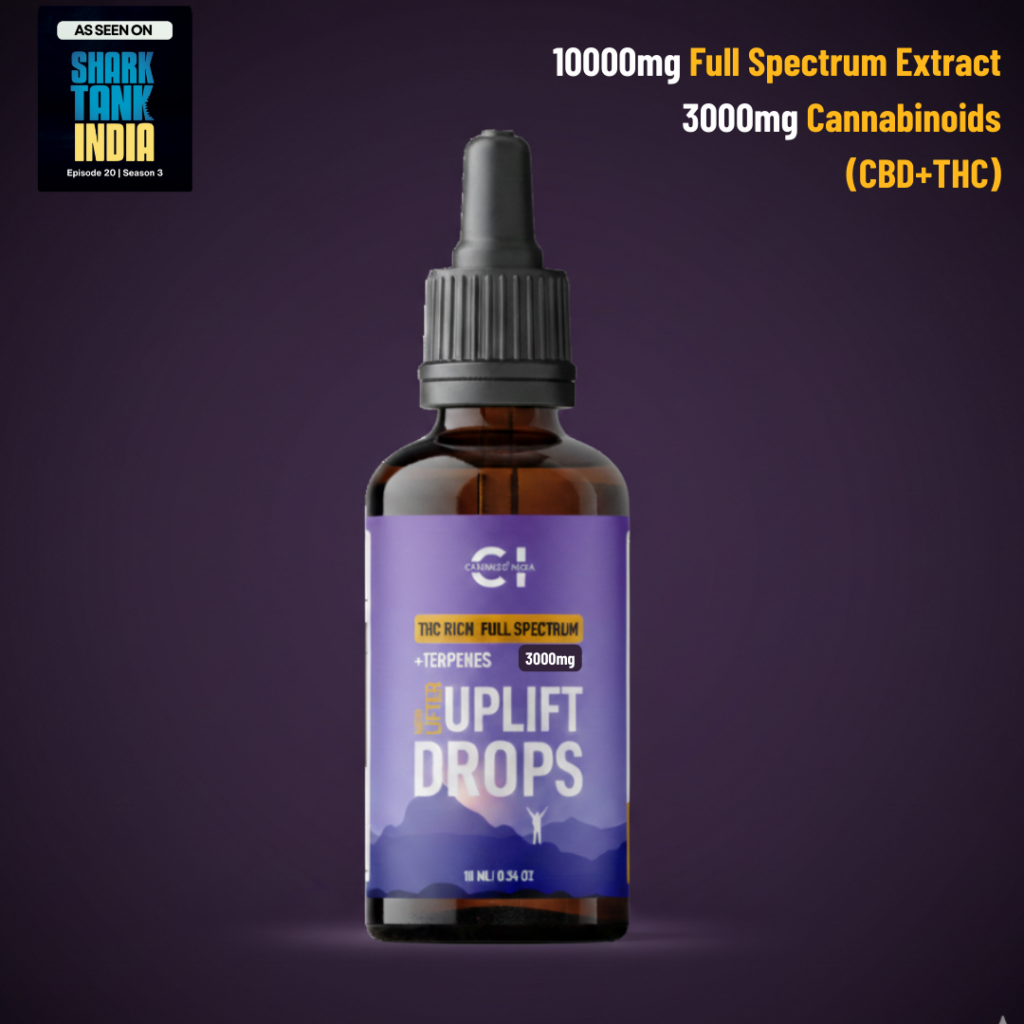
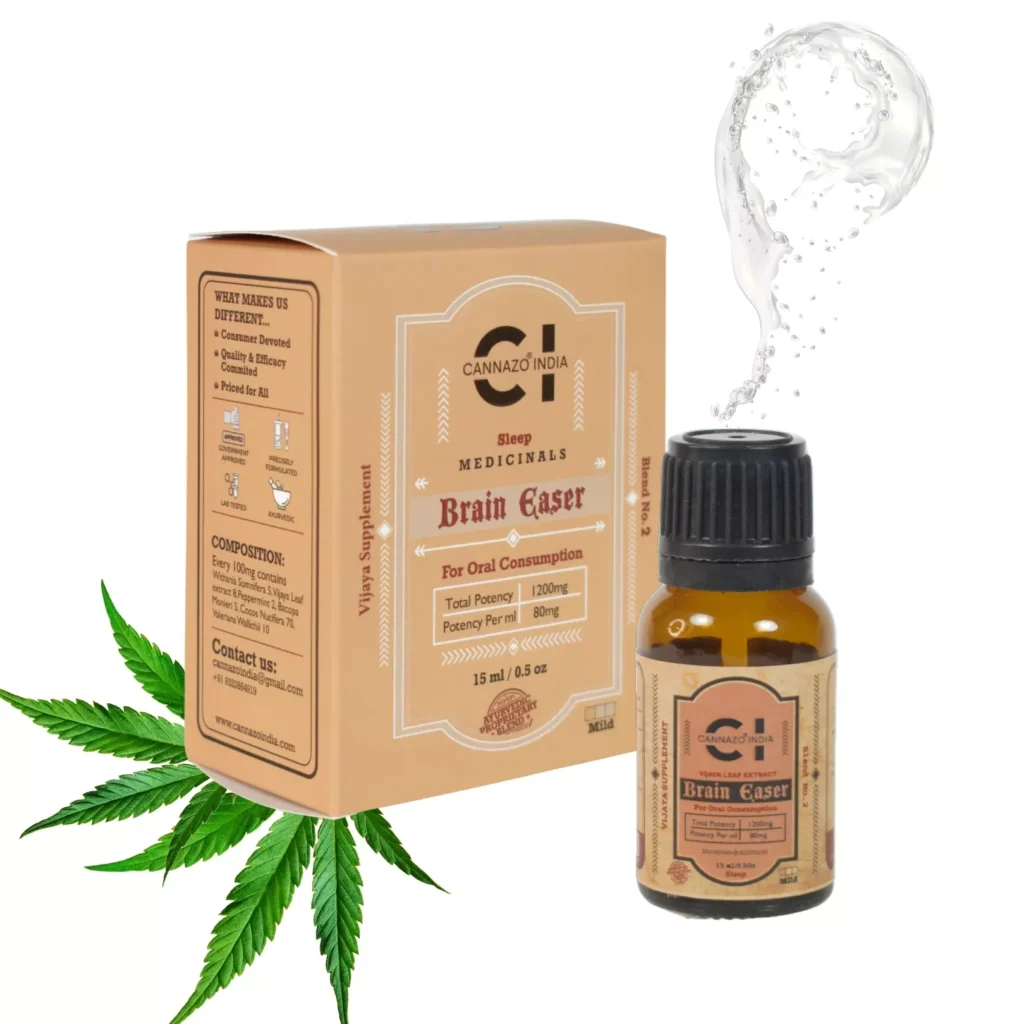
With the growth of wellness products, cannabis leaf extracts are now being used in regulated formats such as oils and edibles.
These are governed by the Ministry of AYUSH, which is the Indian government body responsible for Ayurvedic products.
This means:
- Extracts must follow Ayurvedic guidelines
- Products are positioned as wellness items
- Manufacturing and sale are regulated
So while raw cannabis buds remain illegal, controlled and compliant extracts derived from legal parts of the plant are allowed.
Modern Formats Like Gummies and Oils
This is where things have evolved.
Today, cannabis extracts are being used in formats that are easier to consume, such as:
- Oils
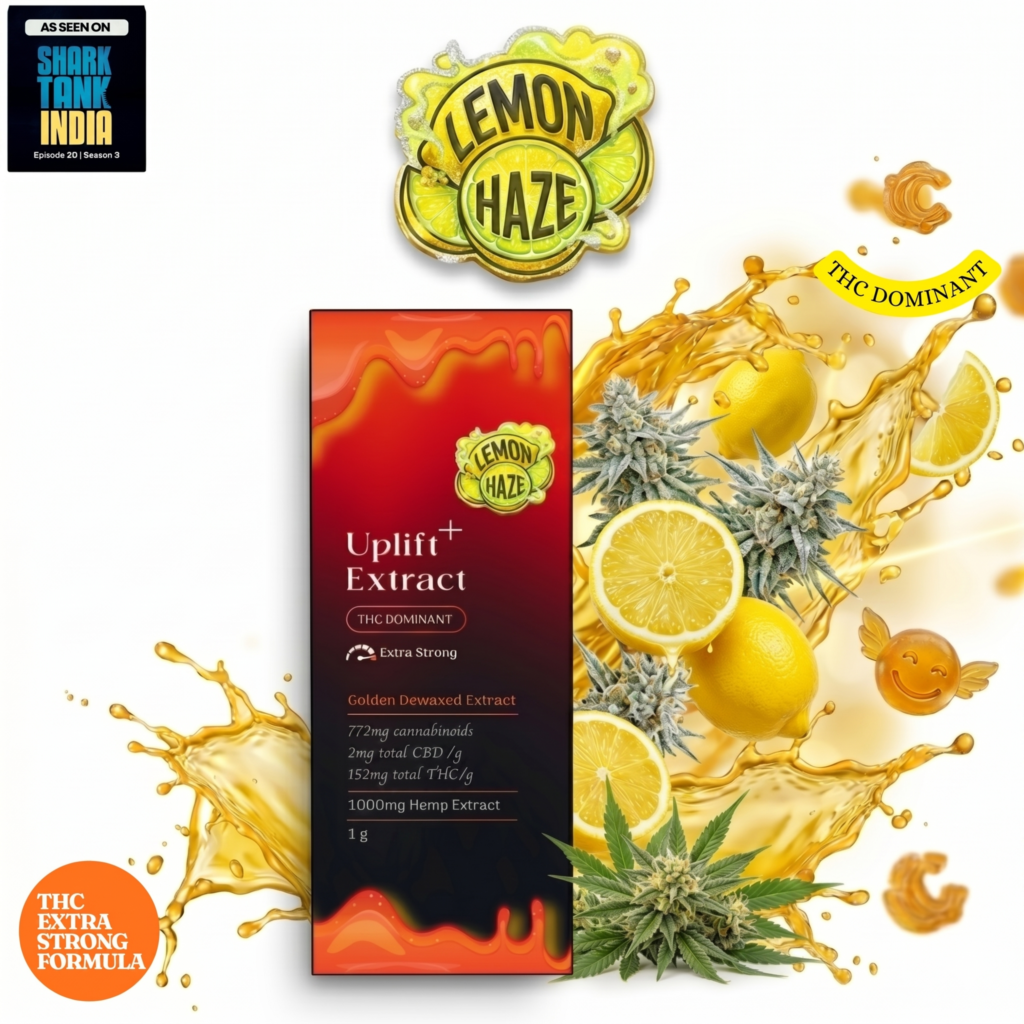
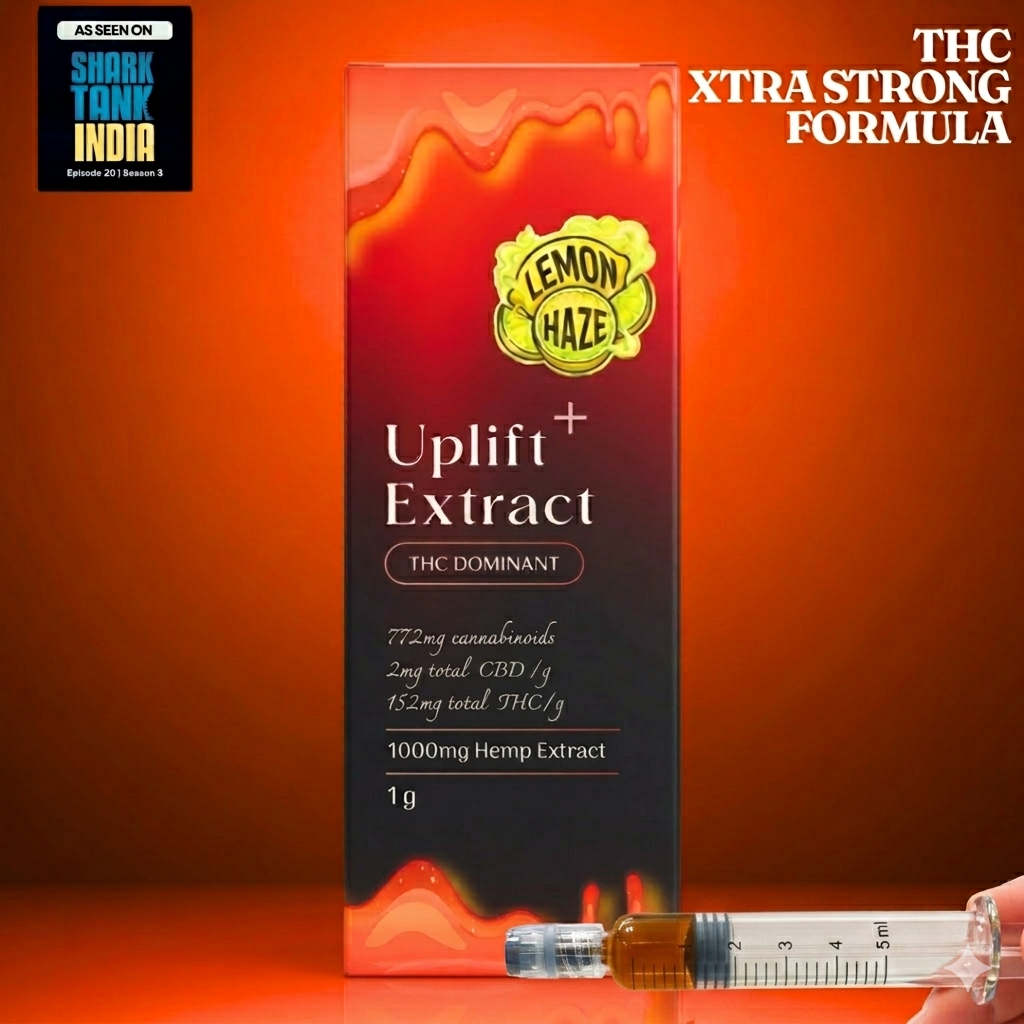
- Pure extracts
- Gummies
These products are designed to offer a more controlled and measured experience.
At Tript Store, products like Cannazo Gummies are available in blueberry and mango flavors. These gummies contain a 3:1 THC to CBD ratio with 50 mg of extracts in each gummy.
This formulation is designed to support relaxation while maintaining balance, making it one of the stronger wellness-focused gummy formats available in India.
Other Ways Cannabis Extracts Are Used
Apart from gummies, cannabis extracts can also be used in different ways:
- Mixed with herbal blends for a smoother experience
- Consumed directly in controlled quantities
- Used as oils for wellness purposes
These options give users more flexibility depending on their preference.
Important Things to Keep in Mind
- Cannabis buds and resin are illegal in India
- Leaves, seeds, and stems have legal uses
- Extract-based products must be regulated
- Always check if the product follows Ayurvedic compliance
Understanding these basics helps you stay informed and make better choices.
Final Thoughts
Cannabis is not completely legal in India, but it is not entirely banned either.
The law depends on which part of the plant is being used and how it is processed.
With the rise of regulated wellness products, there are now structured and compliant ways to explore cannabis-based options.
Knowing the difference between illegal and legal parts of the plant is the key to understanding cannabis laws in India.
FAQ
Cannabis buds are illegal, but leaves, seeds, and stems have legal uses under regulation.
Bhang is made from cannabis leaves and is legally consumed in certain parts of India
They can be legal if made from regulated extracts under Ayurvedic guidelines.
They are used for digestion, nutrition, and oil extraction.
The Ministry of AYUSH regulates Ayurvedic cannabis-based products.